Advancements in artificial intelligence continue to transform the labor market across the globe. As businesses integrate smart technologies into daily operations, certain occupations experience rapid shifts, while skill demands evolve to keep pace. Understanding these changes offers insight into the future of work and the global mobility of talent.
Rapid Transformation in Technology-Driven Roles
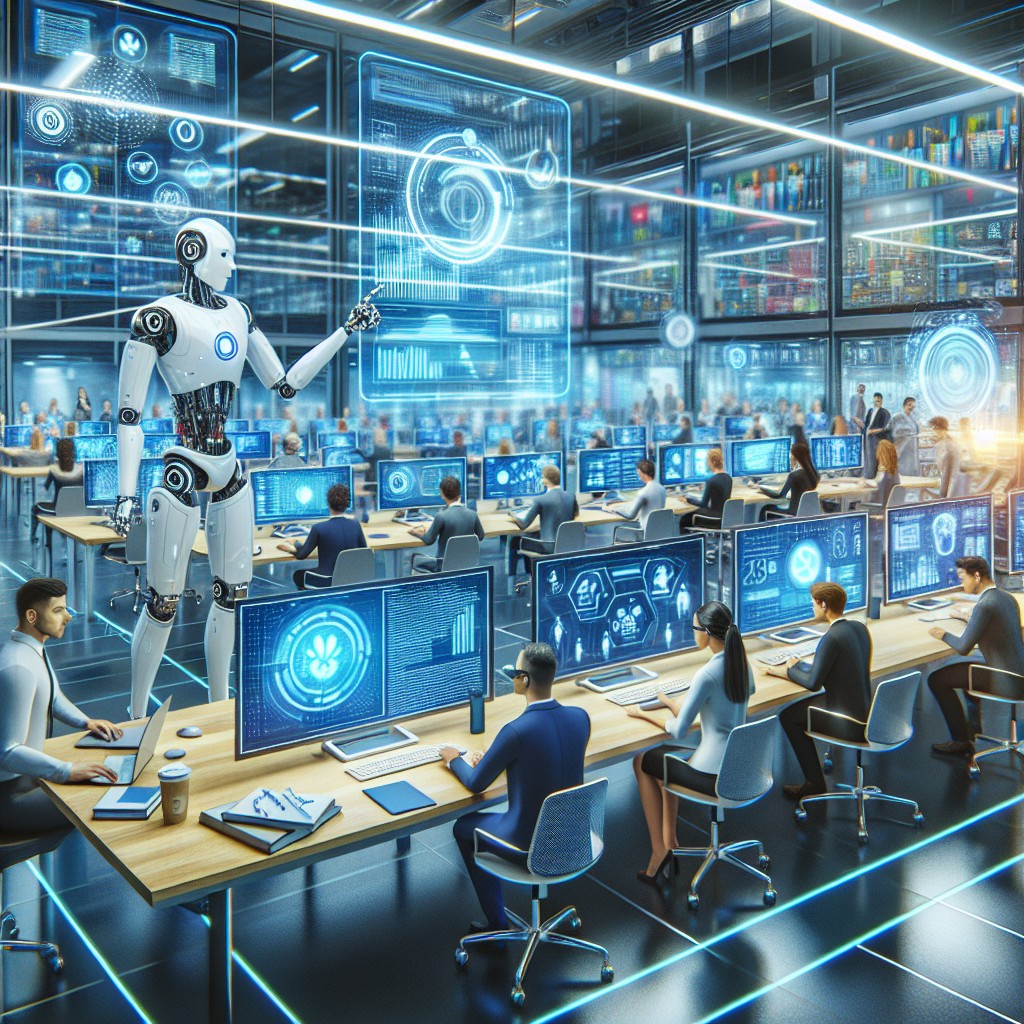
The most noticeable impact of workplace AI is observed in sectors heavily reliant on data processing and automation. Roles in software development, data analysis, and digital marketing are adapting swiftly. Automation tools streamline routine tasks, compelling professionals to focus on higher-level problem-solving and creativity. This shift often requires ongoing training to master new AI-driven platforms and methods.
Manufacturing and Logistics: Automation Deepens
In manufacturing and logistics, the integration of robotics and AI systems accelerates operational efficiency but alters job functions considerably. Manual, repetitive roles are increasingly supplemented or replaced by machines. Workers in these environments are now expected to operate and maintain intelligent equipment, necessitating technical expertise that crosses traditional job boundaries. The redefined roles emphasize supervisory and troubleshooting skills intertwined with AI oversight.
Healthcare and Education: AI as a Supporting Tool
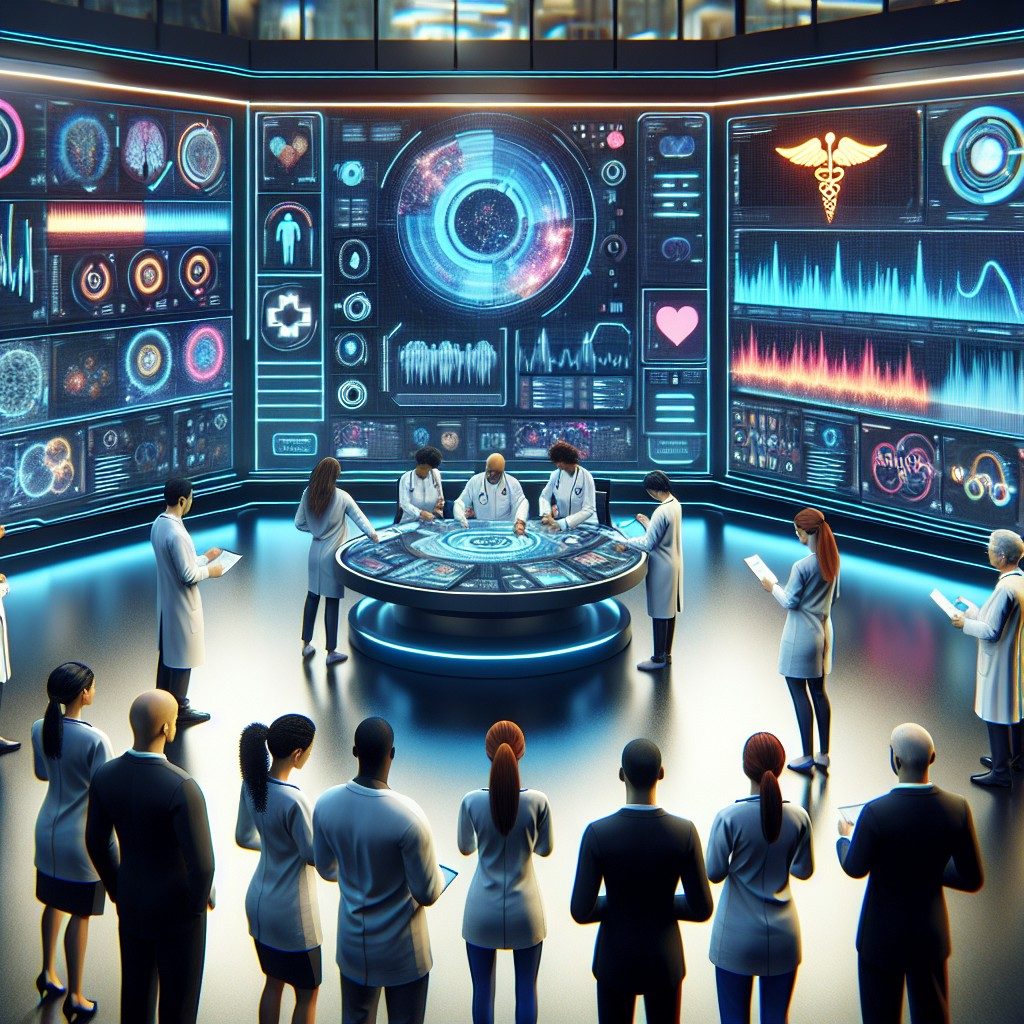
Healthcare professionals use AI-driven diagnostic tools and patient management systems that improve accuracy and responsiveness. While AI does not replace clinicians, it enhances decision-making and administrative tasks. Similarly, in education, AI personalizes learning experiences and manages administrative duties, enabling educators to focus on student engagement and curriculum innovation. Both sectors illustrate how workplace AI complements rather than substitutes human expertise.
Global Mobility of AI-Related Skills
As workplace AI reshapes industries, certain skill sets gain international demand. Expertise in machine learning, AI programming, data science, and cyber-security travel across borders with relative ease. This global transfer of skills is fostered by the digital nature of the work and multinational collaboration. Countries investing in AI talent development and infrastructure often attract professionals seeking opportunities aligned with advanced technologies.
Challenges and Adaptation Strategies
The swift evolution caused by workplace AI presents challenges such as skill gaps, worker displacement, and the need for scalable reskilling programs. Organizations and governments are responding by promoting lifelong learning initiatives and partnerships between educational institutions and industry players. Ensuring accessibility to relevant training and fostering adaptability among employees are critical for mitigating job market disruptions.
Overall, workplace AI continues to redefine job profiles and skill requirements across various fields. As technology advances, the collaboration between human and artificial intelligence is expected to deepen, shaping a work environment where adaptable skills and continuous learning become fundamental to sustaining employability.
Frequently Asked Questions about workplace AI
What types of jobs are changing fastest due to workplace AI?
Jobs involving repetitive and data-intensive tasks, such as those in manufacturing, logistics, and data analysis, are experiencing the quickest transformation from workplace AI integration.
How does workplace AI affect skills needed globally?
Workplace AI increases demand for advanced technical skills, including AI programming and data science, which are increasingly sought after in global job markets.
Can workplace AI replace human jobs entirely?
While workplace AI automates some tasks, it primarily complements human work by enhancing efficiency and supporting decision-making rather than fully replacing jobs.
What strategies help workers adapt to workplace AI changes?
Continuous training, reskilling programs, and fostering adaptability are key strategies enabling workers to keep pace with the evolving demands imposed by workplace AI.
Are workplace AI skills transferrable across countries?
Yes, many workplace AI-related skills such as machine learning and data analysis have global applicability, facilitating international career mobility for skilled professionals.