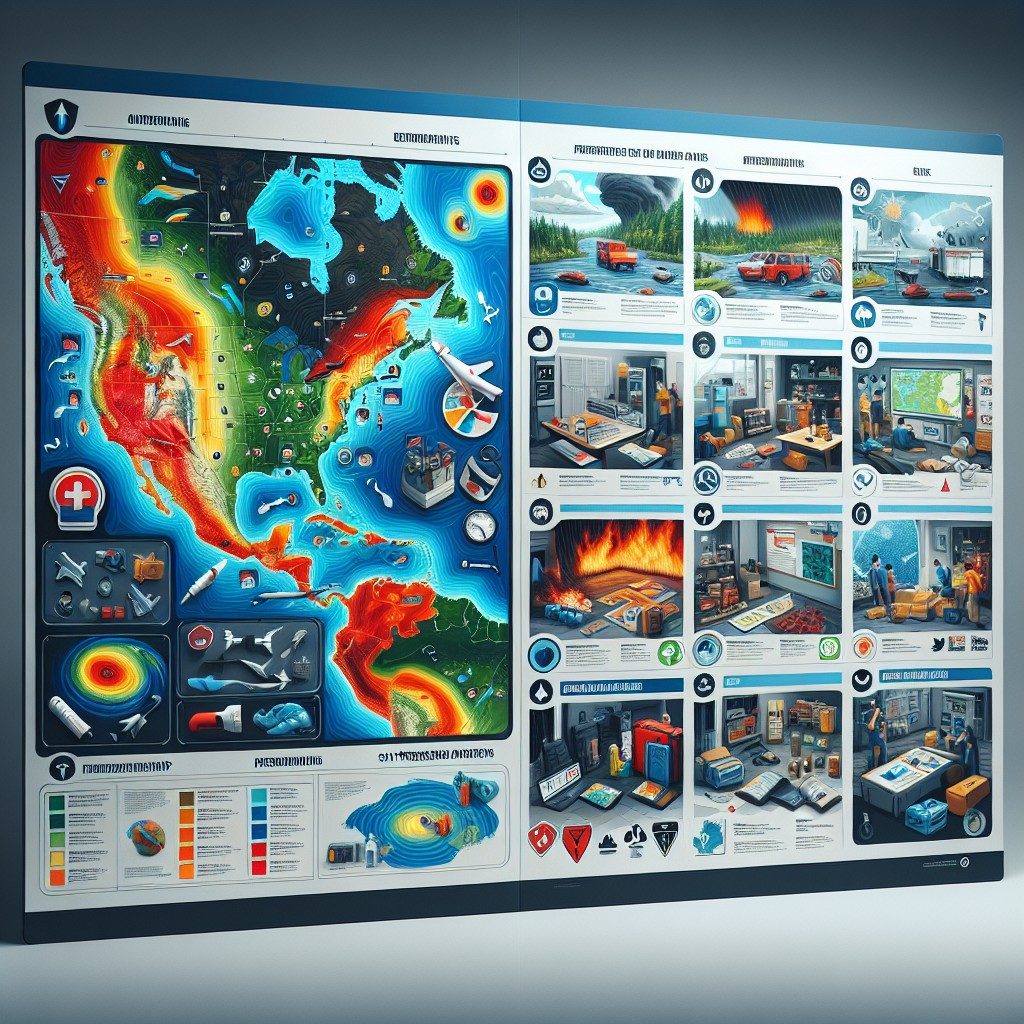
Climate experts are raising alarms over the predicted weather patterns for 2026, highlighting significant shifts that may impact ecosystems and human activity across the globe. This Climate Analysis examines forecasts that indicate increased frequency of extreme weather events, potentially influenced by ongoing climate change.
Emerging Weather Trends
Recent climate models suggest that the year 2026 could witness pronounced changes in global weather behaviors. With temperatures projected to rise steadily, regions that have historically enjoyed mild winters may face unprecedented cold spells, while others could suffer from extreme heat. The concept of climate variability emerges as a focal point, where fluctuations in weather patterns could become the new norm, emphasizing the need for adaptive strategies to mitigate impacts.
Impact on Global Ecosystems
As indicated in the latest reports from environmental agencies, the likely weather patterns anticipated for 2026 pose a serious threat to biodiversity. Changes in temperature can lead to habitat loss, affecting species that are already vulnerable. Marine ecosystems, in particular, are expected to experience shifts in fish populations and coral reef health. These developments underscore the critical importance of ongoing Climate Analysis to understand and prepare for potential disruptions in natural systems.
Socioeconomic Implications of Weather Patterns
The implications of altered weather patterns extend beyond environmental concerns, impacting food security, water availability, and health outcomes. Agricultural practices may face challenges due to unpredictable growing seasons, which could lead to food shortages in regions heavily reliant on farming. Urban areas may also struggle with infrastructure that fails to accommodate intense rainfall or flooding events. The interplay between these socioeconomic factors and climatic changes makes comprehensive Climate Analysis essential for policymakers.
Frequently Asked Questions about Climate Analysis
What is Climate Analysis and why is it important?
Climate Analysis refers to the systematic assessment of climatic conditions and trends over time, essential for understanding the environment and guiding sustainable practices.
How do experts conduct Climate Analysis?
Experts conduct Climate Analysis using a combination of satellite data, climate models, and historical records to predict future weather patterns and their potential impacts.
What specific weather patterns are predicted for 2026?
Predictions for 2026 include more frequent extreme weather events, fluctuating temperatures, and significant changes in precipitation patterns, as revealed by recent Climate Analysis.
How can individuals contribute to a better Climate Analysis?
Individuals can contribute by supporting scientific research, reducing their carbon footprint, and advocating for policies that prioritize sustainability and climate resilience.
What organizations perform Climate Analysis?
Many reputable organizations, including NASA and the Intergovernmental Panel on Climate Change (IPCC), conduct Climate Analysis to provide insights that shape global responses to climate changes.